Maintaining a vehicle's appearance requires more than regular washing. Dust, road grime, pollution, water deposits, sunlight, and improper cleaning techniques can gradually affect paint clarity and exterior surfaces. Choosing suitable Car Detailing Products Pune professionals can use helps create a more systematic approach to cleaning, correcting, protecting, and maintaining vehicles.
For detailing studios, automotive workshops, service centres, and car owners in Pune, Maharashtra, understanding what different detailing products actually do is important before selecting them.
Car Detailing Goes Beyond Routine Washing
A normal car wash primarily removes loose dirt from the exterior. Professional detailing takes a more comprehensive approach to vehicle surface care.
Depending on the condition of the car, the process may include:
- Exterior washing
- Paint decontamination
- Tar and residue removal
- Paint inspection
- Swirl and defect correction
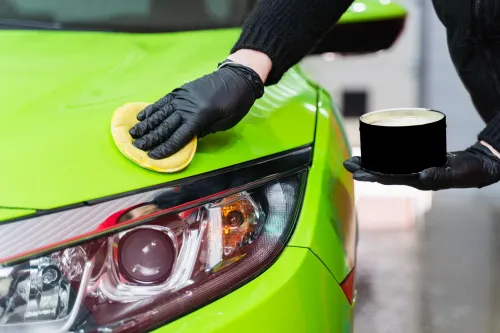
- Machine polishing
- Surface protection
- Interior detailing
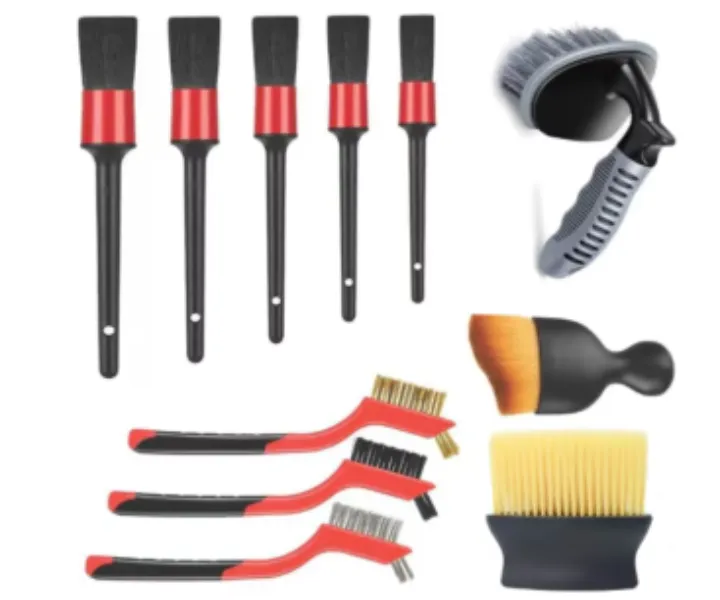
- Trim and tyre care
Each stage requires products designed for a particular purpose. Using one cleaner or polish for every surface can produce inconsistent results and may even damage sensitive materials.
Start With the Right Cleaning Products
Good detailing begins with safe cleaning.
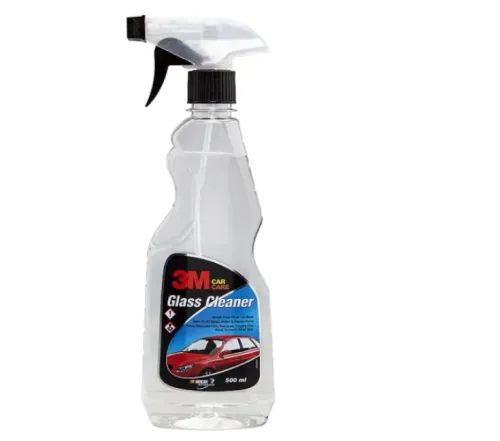
Road dust and grime should be removed without unnecessarily rubbing abrasive particles across the paint. Suitable automotive shampoos and cleaning products help loosen contamination before physical contact with the surface.
Professional detailers also need to distinguish between ordinary dirt and more stubborn contaminants such as tar, grease, industrial fallout, or bonded deposits.
These may require dedicated products rather than aggressive scrubbing.
Paint Decontamination Creates a Cleaner Surface
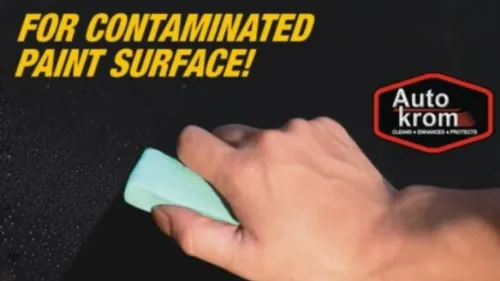
A vehicle may look clean after washing while still having contamination bonded to the paint.
Running a hand carefully over a washed panel may reveal a rough surface. This can indicate contamination that normal shampoo has not removed.
Decontamination is particularly important before polishing, ceramic coating, or paint protection film installation.
A properly cleaned surface allows subsequent detailing stages to be performed more effectively.
Compounds and Polishes Perform Different Jobs
Paint correction is one area where choosing the correct detailing product becomes especially important.
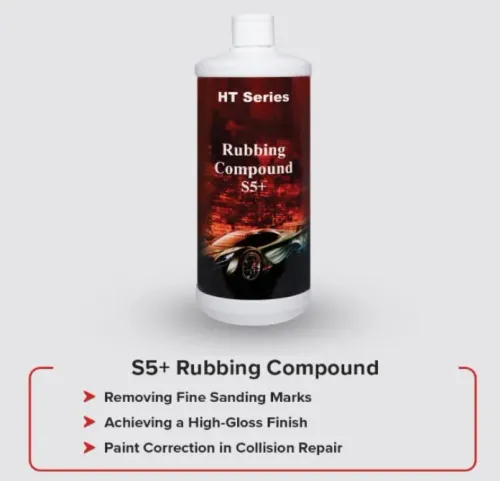
Rubbing compounds are generally used when stronger corrective action is required. Depending on the paint condition and product, they can help address oxidation, sanding marks, moderate swirl marks, and other suitable imperfections.
Polishes usually provide finer corrective action and help improve gloss and surface clarity.
Professionals should assess the paint before deciding how aggressive the correction needs to be.
Using a heavy-cutting product on a surface requiring only light refinement can remove more clear coat than necessary.
Protection Should Follow Preparation
Protective products perform best when applied to properly prepared surfaces.
Depending on the required result, professionals may consider:
- Paint sealants
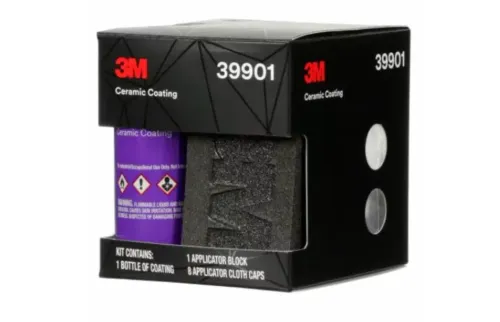
- Ceramic coatings
- Paint protection films
- Other automotive surface protection systems
These solutions serve different purposes.
A ceramic coating may support easier maintenance and hydrophobic surface behaviour, while paint protection film provides a physical protective layer over selected painted areas.
Neither should be treated as a substitute for proper surface preparation.
Consider Pune Driving Conditions
Local vehicle usage should influence detailing decisions.
Cars driven regularly through Pune can encounter road dust, traffic pollution, intense sunlight, rain, mud, construction-related contamination, and changing seasonal conditions.
Vehicles parked outdoors may also require different maintenance compared with cars kept primarily in covered parking.
Professional detailers should therefore consider how the vehicle is actually used before recommending a maintenance or protection system.
A daily commuter and an occasionally driven premium vehicle may not require identical treatments.
What Professionals Should Check Before Buying
Detailing studios and workshops purchasing products regularly should look beyond the initial price.
Important factors include:
- Intended application
- Surface compatibility
- Cutting or cleaning strength
- Product consumption
- Ease of application
- Working time
- Required equipment
- Finishing characteristics
- Maintenance requirements
- Compatibility with subsequent products
Consistency is particularly important in commercial detailing.
Technicians who understand how a product behaves can establish repeatable processes and reduce unnecessary trial and error.
Build a Complete Detailing System
Instead of purchasing unrelated products individually, professional workshops can organize their detailing materials around the complete workflow.
Cleaning removes loose contamination.
Decontamination addresses material that remains bonded to the surface.
Correction reduces appropriate paint imperfections.
Refinement improves clarity and gloss.
Protection helps preserve the prepared finish.
Maintenance supports the condition of the vehicle after detailing.
S T Sales supplies automotive detailing and refinishing solutions for professionals and vehicle-care businesses in Pune. Selecting products according to each stage of the process helps workshops create a more controlled detailing workflow.
The best car detailing results rarely come from one product alone. They come from correctly assessing the vehicle, choosing suitable materials, following proper application techniques, and maintaining the finished surface appropriately.
Keywords