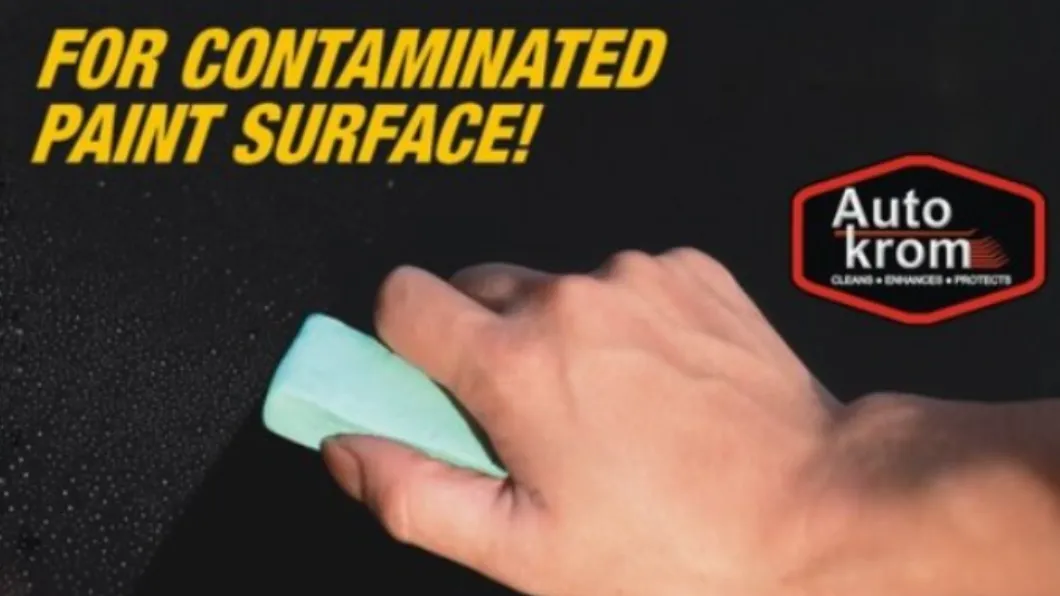
A freshly washed vehicle may still feel rough when a clean hand is gently passed over the paint. That roughness can come from bonded contamination that ordinary shampoo does not remove.
A clay bar is commonly used during automotive detailing to remove certain contaminants before polishing or applying protection. Used incorrectly, however, claying can contribute to surface marring.
Understanding when and how to use clay is therefore important for detailing professionals and enthusiasts.
Why Washing Alone May Not Be Enough
Vehicle paint is constantly exposed to contamination.
Depending on where and how a vehicle is used, bonded deposits may include industrial fallout, overspray, road contamination, tree-related residue, and other particles.
Pune vehicles can encounter heavy traffic exposure, construction dust, seasonal rain contamination, and varying road conditions.
Once contamination becomes bonded to the surface, ordinary contact washing may not remove all of it.
Check Whether Claying Is Actually Needed
Clay should not automatically be used during every wash.
After washing and drying the vehicle, inspect the surface carefully. If paint feels noticeably contaminated or further preparation is required before paint correction or protection, mechanical decontamination may be appropriate.
The condition of the paint matters.
A heavily contaminated surface may require a different approach from a relatively clean, regularly maintained vehicle.
Lubrication Is Essential
A clay bar should not be dragged across dry paint.
Suitable lubrication helps the clay move across the surface with less friction. The appropriate lubricant should be selected according to the clay product instructions and subsequent detailing steps.
Work on manageable sections rather than attempting an entire panel without checking progress.
The clay should move gently across the lubricated surface. Excessive pressure is generally unnecessary and can increase the risk of visible marks.
Keep the Working Surface Clean
As the clay picks up contamination, inspect it frequently.
A traditional clay bar can usually be folded or reshaped to expose a clean working section according to its usage instructions.
If a clay bar falls onto a dirty workshop floor, continuing to use it on paint can introduce hard particles that may scratch the surface. Professional detailers should treat contaminated clay accordingly rather than trying to save a small consumable at the risk of damaging a customer's vehicle.
Understand That Marring Can Occur
Even careful mechanical decontamination can sometimes leave fine marks, depending on paint softness, contamination level, clay aggressiveness, lubrication, and technique.
This is one reason claying is often performed before paint correction when a vehicle is already scheduled for polishing.
Detailers should assess the complete job before deciding how aggressive the decontamination stage needs to be.
What Happens After Claying?
After mechanical decontamination, inspect the surface again.
If the vehicle is being prepared for correction, polishing can follow according to the planned process. If a wax, sealant, or ceramic coating is being applied, complete any additional preparation required by that particular protection system.
Do not assume that claying alone creates a coating-ready surface.
Different protection products may require specific final cleaning or preparation.
Store Decontamination Products Properly
Workshop organisation affects product performance and paint safety.
Keep clay products protected from dirt and workshop contamination. Do not place them directly on benches covered with polishing dust, sanding residue, or other particles.
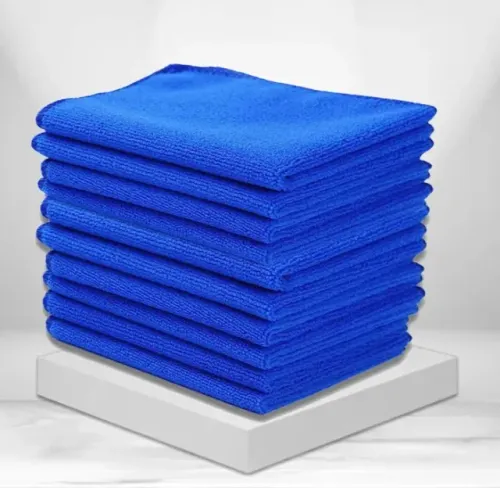
The same principle applies to microfiber towels and applicators.
Separating clean paint-contact materials from wheel, engine-bay, and workshop-use items reduces accidental contamination.
Make Decontamination Part of a Defined Process
For car detailing professionals in Pune, Maharashtra, clay treatment works best when it is used selectively as part of a larger paint-preparation process.
The decision should be based on surface condition, the next detailing stage, and the desired finish.
Businesses sourcing clay bars, car wash chemicals, compounds, microfiber products, and related detailing materials from providers such as S T Sales can organise these consumables according to specific service packages.
The key principle is simple use the least aggressive effective process. Proper washing, sufficient lubrication, clean materials, frequent inspection, and appropriate follow-up polishing can help detailers achieve a cleaner surface without introducing avoidable defects.
Keywords